A Voyage into the Rich Tapestry of African Arabic Art and Culture
Category : onlinebanat | Sub Category : onlinebanat Posted on 2023-10-30 21:24:53
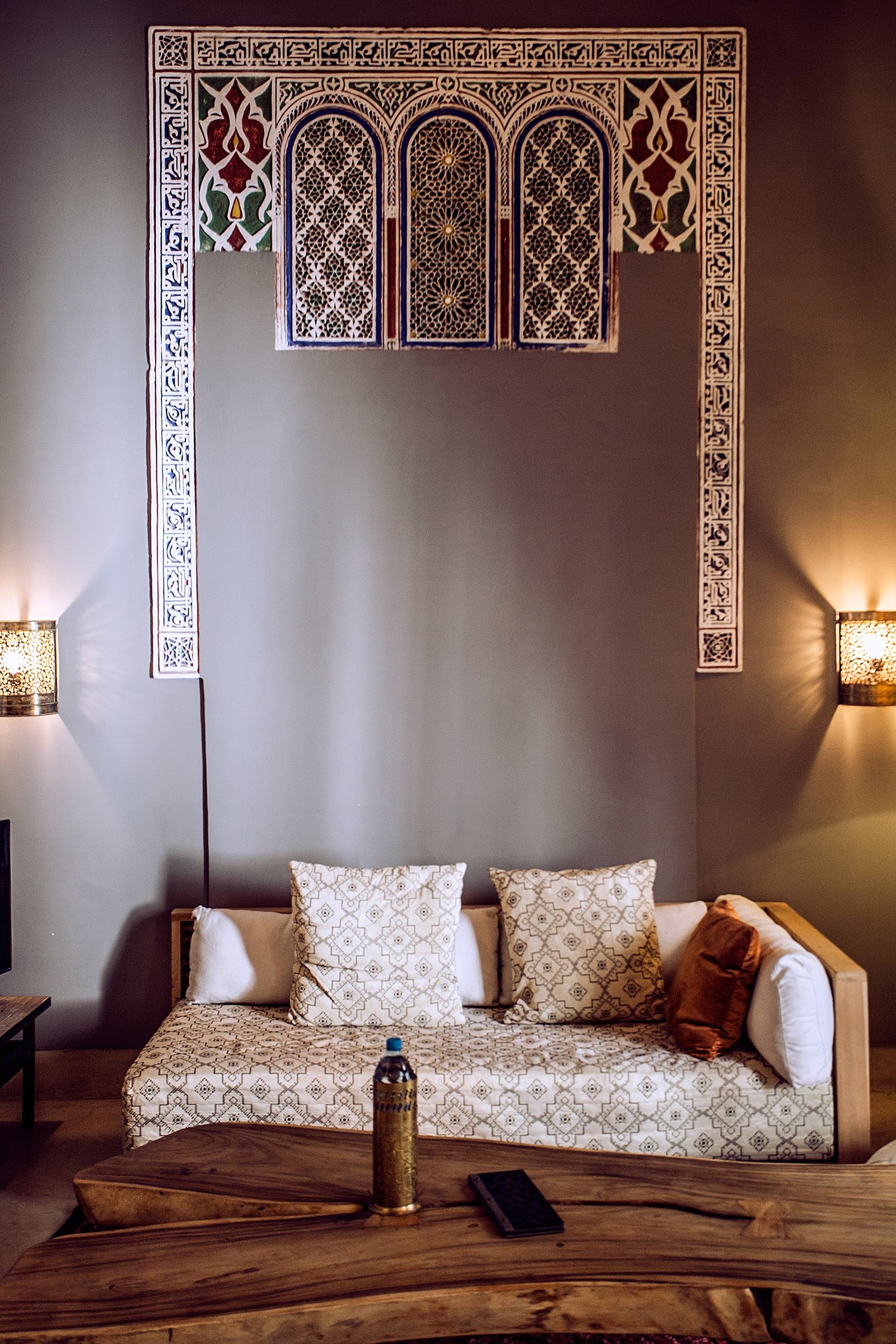
Introduction: Africa is a continent with a diverse range of cultures, languages, and artistic traditions. One fascinating facet of African culture is the influence of Arabic art and culture. Over centuries, Arabic traders, explorers, and scholars have left an indelible mark on different regions of Africa through their art, architecture, music, and language. In this blog post, we will embark on a captivating journey to discover the beauty and uniqueness of African Arabic art and culture. 1. Influence of Arabic Art on African Architecture: The fusion of Arabic and African architectural styles can be observed in numerous cities across the continent. One such example is in Morocco, where intricate geometric patterns, Arabesque motifs, and calligraphic designs adorn the faades of buildings. The famous mosques of Mali, such as the Great Mosque of Djenn, are known for their distinctive Sudanese architectural style, which boasts Arabic-inspired designs and decorative elements. 2. Arabic Calligraphy in African Art: Calligraphy, the art of beautiful writing, has a longstanding tradition in Arabic culture. In Africa, Arabic calligraphy has been incorporated into traditional African art forms, such as textiles, wood carvings, and metalwork. The harmonious blend of Arabic calligraphy with African motifs and symbols creates visually stunning and culturally rich art pieces. 3. African Arabic Music and Dance: African Arabic music is a captivating blend of Arabic melodies and African rhythms. Countries like Sudan, Egypt, and Algeria have vibrant music scenes that showcase this unique fusion. Instruments like the oud, tambourine, and darbuka are often featured in Arabic-influenced African music. Additionally, traditional African dances infused with elements of Arabic music and movements create energetic and expressive performances. 4. Swahili Language: A Blend of Arabic and African Languages: The Swahili language originated from the contact between Arab traders and Bantu-speaking communities along the East African coast. It is a testament to the cultural exchange between Arabic and African languages. Swahili, with its Arabic loanwords and structure, is widely spoken in countries like Tanzania, Kenya, and Uganda, and serves as a language of unity and communication in the region. Conclusion: The fusion of Arabic art and culture with African traditions has given birth to a rich and vibrant tapestry of artistic expression. From the ornate architecture to the intricate calligraphy, and the enchanting music to the language itself, the influence of Arabic art and culture in Africa cannot be overstated. This unique blend is a testament to the diversity and interconnectedness of African societies. Exploring African Arabic art and culture allows us to appreciate the beauty of cultural exchange and the richness it brings to the continent. Looking for more information? Check out http://www.afrospaces.com
Leave a Comment:
SEARCH
Recent News
- Women in Politics: A Comparison between Uzbekistan and Saudi Arabia
- **Women in Politics in Egypt, Saudi Arabia, and Cairo**
- Women's Clothing in the Workplace: A Guide to Health Promotion Networks in Saudi Arabian Races
- The Intersection of Fashion, Politics, and Tradition: A Look at Saudi Arabian Women in Politics and Their Clothing Choices
- When it comes to attending Saudi Arabian races, women have the opportunity to showcase their style and sophistication through their clothing choices. With such events becoming more inclusive and diverse, women are choosing to wear a variety of stylish outfits that include watches as a fashion statement.
- Women's Clothing: A Blend of Uzbekistan and Saudi Arabian Styles
- The Intersection of Women's Clothing, Spanish Fashion News, and Saudi Arabian Races
- Unveiling the Women's Fashion Scene in Saudi Arabian Races: Beware of Scams
READ MORE
2 years ago Category : onlinebanat

Women in Politics: A Comparison between Uzbekistan and Saudi Arabia
Read More →2 years ago Category : onlinebanat

**Women in Politics in Egypt, Saudi Arabia, and Cairo**
Read More →2 years ago Category : onlinebanat

Women's Clothing in the Workplace: A Guide to Health Promotion Networks in Saudi Arabian Races
Read More →2 years ago Category : onlinebanat
