Exploring the Rich Arabic Wedding Traditions of Africa
Category : onlinebanat | Sub Category : onlinebanat Posted on 2023-10-30 21:24:53
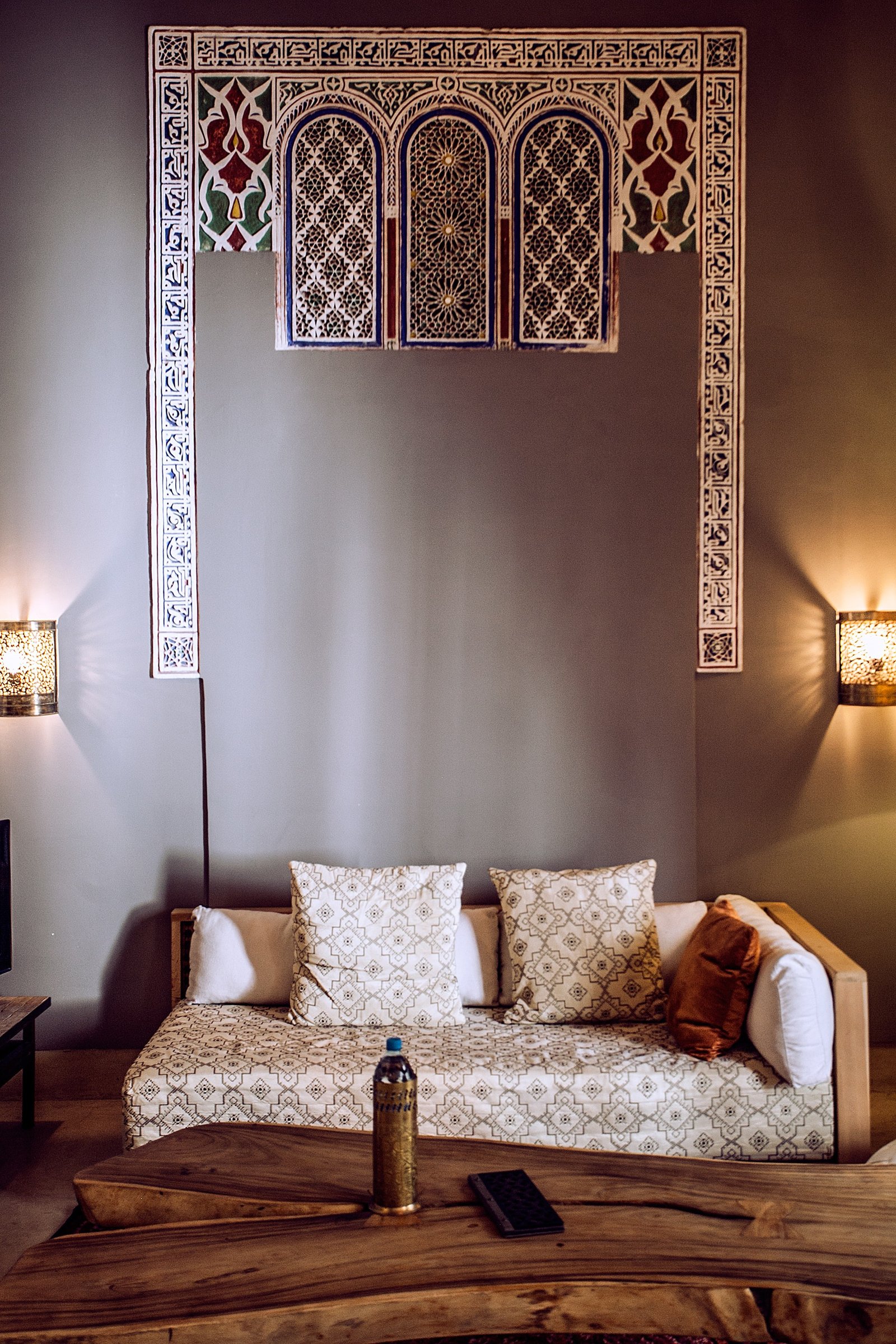
Introduction: Africa is a diverse continent with a rich tapestry of cultures and traditions. Arabic culture has had a significant influence on many African countries, and this influence is especially evident in the realm of wedding traditions. In this blog post, we will delve into the unique and fascinating Arabic wedding traditions found in different parts of Africa. 1. Henna Night: A Pre-Wedding Celebration One of the most well-known Arabic wedding traditions is the Henna Night, also known as the Mehndi ceremony. This pre-wedding celebration involves the bride and her female friends and family members gathering to have intricate henna designs applied to their hands and feet. It is a joyous occasion filled with music, dance, and laughter. 2. The Traditional Wedding Dress: A Glimpse of Elegance Arabic wedding traditions in Africa often showcase stunning traditional wedding attire. Brides typically wear luxurious, heavily embellished dresses, sometimes adorned with intricate embroidery or sequins. These dresses are known for their dramatic silhouettes and vibrant colors, reflecting the bride's cultural heritage. 3. Traditional Ceremonial Processions Arabic wedding traditions in Africa often involve elaborate processions to celebrate the union of the couple. These processions can include horse or camel rides, traditional music, and dancing. The groom and his family lead the way to the bride's house, where they are welcomed with warmth and hospitality. 4. The Nikah: The Islamic Wedding Ceremony The Nikah, or Islamic wedding ceremony, is an essential part of Arabic wedding traditions in Africa. It is a solemn affair that takes place in the presence of two witnesses and an Islamic religious leader. The couple exchanges vows and signs the marriage contract, symbolizing their commitment to each other. 5. Joyful Celebrations: The Walima After the Nikah, the couple and their families come together to celebrate with a grand feast known as the Walima. Traditional Arabic dishes are served, and guests enjoy music, dance performances, and heartfelt speeches. It is a time of joy and unity, bringing together families and friends to commemorate the newlyweds' union. 6. Traditional Dances: A Celebration of Culture Dancing plays a significant role in Arabic wedding traditions, and various traditional dances are performed during the festivities. In African Arabic weddings, you may witness captivating performances of the Dabkeh, a line dance characterized by rhythmic footwork and synchronized movements. These dances evoke a sense of joy and celebration, uniting the community in an unforgettable experience. Conclusion: Arabic wedding traditions in Africa are a beautiful blend of cultural heritage and religious practices. From the Henna Night to the traditional dances and lavish feasts, these celebrations are a testament to the richness and diversity of African culture. By embracing and preserving these traditions, we ensure that future generations will continue to be captivated by the beauty and significance of Arabic weddings in Africa. Seeking expert advice? Find it in http://www.afrospaces.com
Leave a Comment:
SEARCH
Recent News
- Women in Politics: A Comparison between Uzbekistan and Saudi Arabia
- **Women in Politics in Egypt, Saudi Arabia, and Cairo**
- Women's Clothing in the Workplace: A Guide to Health Promotion Networks in Saudi Arabian Races
- The Intersection of Fashion, Politics, and Tradition: A Look at Saudi Arabian Women in Politics and Their Clothing Choices
- When it comes to attending Saudi Arabian races, women have the opportunity to showcase their style and sophistication through their clothing choices. With such events becoming more inclusive and diverse, women are choosing to wear a variety of stylish outfits that include watches as a fashion statement.
- Women's Clothing: A Blend of Uzbekistan and Saudi Arabian Styles
- The Intersection of Women's Clothing, Spanish Fashion News, and Saudi Arabian Races
- Unveiling the Women's Fashion Scene in Saudi Arabian Races: Beware of Scams
READ MORE
2 years ago Category : onlinebanat

Women in Politics: A Comparison between Uzbekistan and Saudi Arabia
Read More →2 years ago Category : onlinebanat

**Women in Politics in Egypt, Saudi Arabia, and Cairo**
Read More →2 years ago Category : onlinebanat

Women's Clothing in the Workplace: A Guide to Health Promotion Networks in Saudi Arabian Races
Read More →2 years ago Category : onlinebanat
