A Guide to Animals in Arabic Art and Culture: Unraveling Symbolism and Significance
Category : onlinebanat | Sub Category : onlinebanat Posted on 2023-10-30 21:24:53
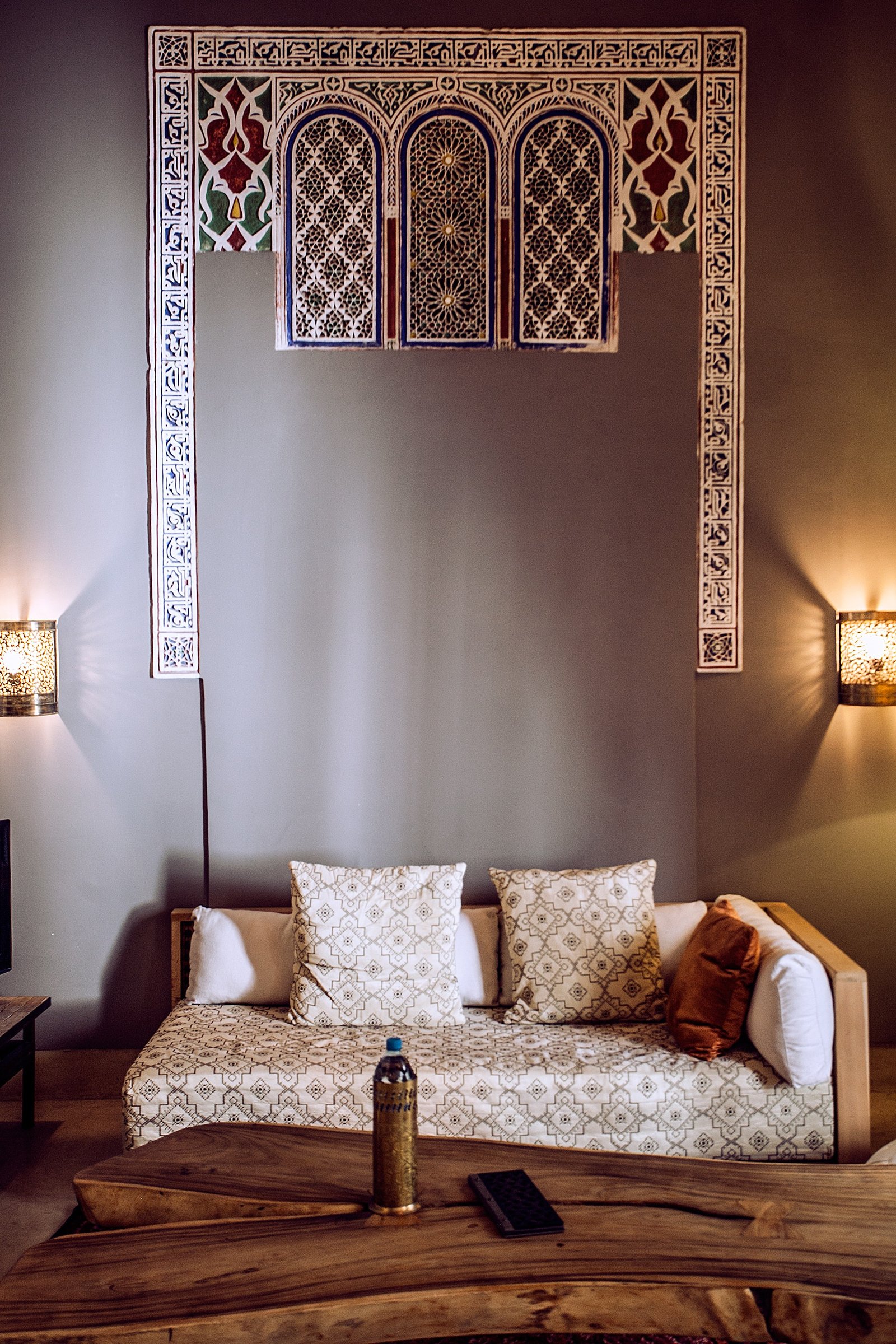
Introduction: Arabic art and culture have a rich history deeply rooted in the fascinating world of animals. From ancient Islamic art to modern calligraphy, animals have held a significant place in Arabic artistic expressions. Their presence, often symbolic, reflects the cultural, religious, and even mystical beliefs of the Arab world. Join us on a journey as we explore the intricate relationship between animals and Arabic art and culture. 1. The Powerful Symbolism of the Horse: One of the most symbolic animals in Arabic art is the horse. Known for its strength, loyalty, and courage, the horse is often depicted in Arabic manuscripts, ceramics, and textiles. It symbolizes nobility, power, and the ability to conquer obstacles. The horse's importance lies in its association with Islamic history, specifically the noble Arabian horse breed that originated in the Arabian Peninsula. 2. Birds as Messengers of Divinity: In Arabic art, birds play a vital role as carriers of messages and symbols of spirituality. Birds like doves, hawks, and eagles are often depicted in Islamic calligraphy and architecture. Doves symbolize peace and purity, while hawks and eagles connote power and spiritual protection. Their presence signifies a connection between the earthly and the divine, as messengers carrying prayers and blessings to the heavens. 3. The Majestic Camel and Arab Desert Culture: The camel, known as "the ship of the desert," holds a prominent place in Arabic art and represents resilience, endurance, and survival in harsh desert environments. This resolute animal is often depicted in traditional Arabic paintings, sculptures, and tribal patterns. The camel's cultural significance extends beyond art, as it has been integral to Arab life and commerce for centuries, representing trade routes, travel, and the nomadic Bedouin lifestyle. 4. Feline Grace and Mystique: Cats have a long history in Arabic art and are associated with mystery, patience, and wisdom. Depicted in ancient manuscripts and contemporary art, cats symbolize a balance between the spiritual and the mundane. Known for their independence and agility, they also symbolize protection against evil spirits and the ability to ward off negative energy. 5. Benevolent Guardian: The Falcon: The falcon is considered a symbol of authority and protection in Arabic culture. It is associated with bravery, speed, and keen eyesight. Falcons are often depicted in traditional Arab hunting scenes and are the subject of calligraphic designs found in decorative arts. Arab falconry has a deep-rooted history, with falcons revered as partners in the sport, representing prestige and power. Conclusion: Animals hold a profound significance in Arabic art and culture, representing diverse qualities such as strength, spirituality, and resilience. Each animal carries its own symbolism, encapsulating the values and beliefs cherished by the Arab world. Exploring the intricate relationship between animals and Arabic art allows us to delve into a rich cultural tapestry that has shaped the region's history and society. Whether as powerful symbols, spiritual messengers, or reflections of desert life, animals continue to captivate and inspire Arab artists and viewers alike.
Leave a Comment:
SEARCH
Recent News
- Women in Politics: A Comparison between Uzbekistan and Saudi Arabia
- **Women in Politics in Egypt, Saudi Arabia, and Cairo**
- Women's Clothing in the Workplace: A Guide to Health Promotion Networks in Saudi Arabian Races
- The Intersection of Fashion, Politics, and Tradition: A Look at Saudi Arabian Women in Politics and Their Clothing Choices
- When it comes to attending Saudi Arabian races, women have the opportunity to showcase their style and sophistication through their clothing choices. With such events becoming more inclusive and diverse, women are choosing to wear a variety of stylish outfits that include watches as a fashion statement.
- Women's Clothing: A Blend of Uzbekistan and Saudi Arabian Styles
- The Intersection of Women's Clothing, Spanish Fashion News, and Saudi Arabian Races
- Unveiling the Women's Fashion Scene in Saudi Arabian Races: Beware of Scams
READ MORE
2 years ago Category : onlinebanat

Women in Politics: A Comparison between Uzbekistan and Saudi Arabia
Read More →2 years ago Category : onlinebanat

**Women in Politics in Egypt, Saudi Arabia, and Cairo**
Read More →2 years ago Category : onlinebanat

Women's Clothing in the Workplace: A Guide to Health Promotion Networks in Saudi Arabian Races
Read More →2 years ago Category : onlinebanat
