Exploring the Rich Flavors of Arabic Adriatic Food: From Balkan Region to Holland
Category : onlinebanat | Sub Category : onlinebanat Posted on 2023-10-30 21:24:53
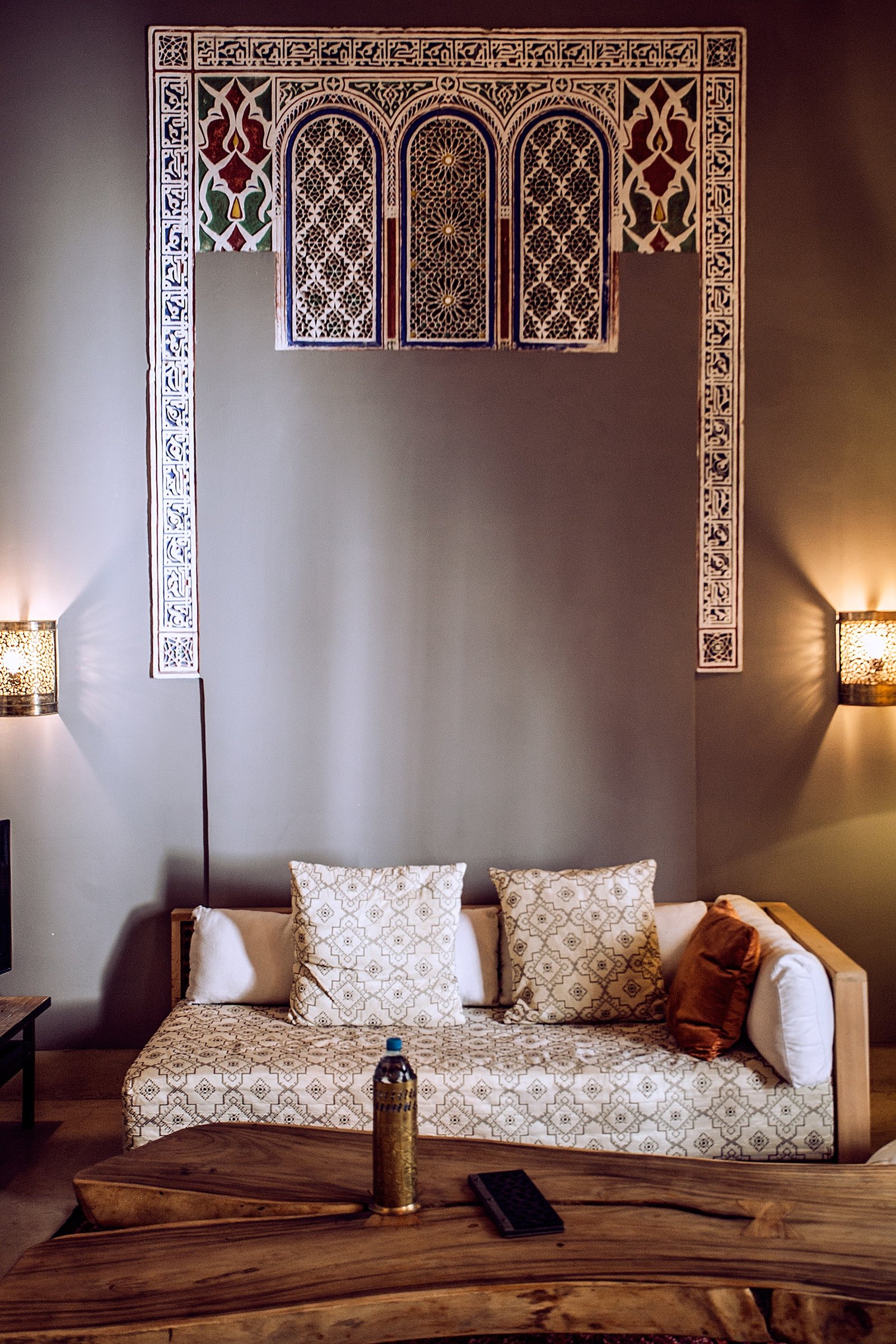
Introduction: Culinary traditions are a reflection of a region's history and cultural heritage. The Balkan region and Holland may seem worlds apart, but they share a fascinating connection through the Arab influence on their gastronomy. In this blog post, we will take you on a culinary journey, exploring the flavorful Arabic Adriatic food as it makes its way from the Balkans to Holland. 1. The Arab Influence on the Balkan Cuisine: The Balkan region, comprising countries like Bosnia and Herzegovina, Croatia, and Albania, has a rich culinary history. Over the centuries, it has been influenced by various cultures, and one of the most significant influences comes from the Arab world. The Arab traders introduced aromatic spices, herbs, and cooking techniques that forever shaped the Balkan cuisine. 2. Traditional Arabic Adriatic Dishes: a. Bosnian Cevapi - Cevapi, often referred to as "Bosnian kebab," is a popular dish made of grilled minced meat served with freshly baked bread and ajvar (roasted red pepper and eggplant relish). This dish exemplifies the Arab and Ottoman influence on the Balkan cuisine. b. Croatian Baklava - Baklava, a sweet pastry made of layers of filo filled with chopped nuts and sweet syrup, is a well-known Arabic dessert. In Croatia, it has been adopted and became a staple dessert during festive occasions. c. Albanian Tav Kosi - Tav Kosi is a hearty Albanian dish made of lamb, yogurt, and eggs, cooked to perfection. With its roots in the Ottoman cuisine, this dish showcases the intermingling of culinary traditions. 3. Migration and the Spread of Arabic Adriatic Food: The rich flavors of Arabic Adriatic food have transcended borders and found their way to Holland. Many Balkan refugees and immigrants have brought their culinary treasures with them, introducing the Dutch to a whole new world of flavors. Today, you can find restaurants and cultural events showcasing this fusion cuisine in Holland, making it accessible to both locals and tourists alike. 4. Dutch Integration of Arabic Adriatic Food: In Holland, the integration of Arabic Adriatic food is seen not only in specialized restaurants but also in everyday Dutch cuisine. Dutch locals have embraced various Balkan dishes and incorporated them into their daily meals. For instance, Dutch-Turkish pizzas, known as "Lahmacun," have become a popular street food offering across the country. 5. Fusion of Cultures and Flavors: The culinary fusion between Arabic Adriatic food and Dutch cuisine goes beyond traditional dishes. Chefs and home cooks are constantly experimenting with alternative cooking methods, combining Dutch ingredients with Balkan flavors to create innovative and delicious recipes. This fusion is an example of how culinary traditions evolve and adapt to new environments. Conclusion: The journey of Arabic Adriatic food, originating from the Balkan region, has transformed and flourished in Holland. The fusion of culinary traditions has not only enriched the Dutch gastronomy but also provided a glimpse into the historical and cultural ties between these regions. Whether you're in the Balkans or in Holland, exploring the flavors of Arabic Adriatic food is a culinary adventure worth embarking on. Seeking more information? The following has you covered. http://www.deleci.com Uncover valuable insights in http://www.adriaticfood.com Want to know more? Don't forget to read: http://www.eatnaturals.com For a closer look, don't forget to read http://www.mimidate.com
Leave a Comment:
SEARCH
Recent News
- Women in Politics: A Comparison between Uzbekistan and Saudi Arabia
- **Women in Politics in Egypt, Saudi Arabia, and Cairo**
- Women's Clothing in the Workplace: A Guide to Health Promotion Networks in Saudi Arabian Races
- The Intersection of Fashion, Politics, and Tradition: A Look at Saudi Arabian Women in Politics and Their Clothing Choices
- When it comes to attending Saudi Arabian races, women have the opportunity to showcase their style and sophistication through their clothing choices. With such events becoming more inclusive and diverse, women are choosing to wear a variety of stylish outfits that include watches as a fashion statement.
- Women's Clothing: A Blend of Uzbekistan and Saudi Arabian Styles
- The Intersection of Women's Clothing, Spanish Fashion News, and Saudi Arabian Races
- Unveiling the Women's Fashion Scene in Saudi Arabian Races: Beware of Scams
READ MORE
2 years ago Category : onlinebanat

Women in Politics: A Comparison between Uzbekistan and Saudi Arabia
Read More →2 years ago Category : onlinebanat

**Women in Politics in Egypt, Saudi Arabia, and Cairo**
Read More →2 years ago Category : onlinebanat

Women's Clothing in the Workplace: A Guide to Health Promotion Networks in Saudi Arabian Races
Read More →2 years ago Category : onlinebanat
