Exploring the Rich Art and Culture of Arabic-speaking Countries
Category : onlinebanat | Sub Category : onlinebanat Posted on 2023-10-30 21:24:53
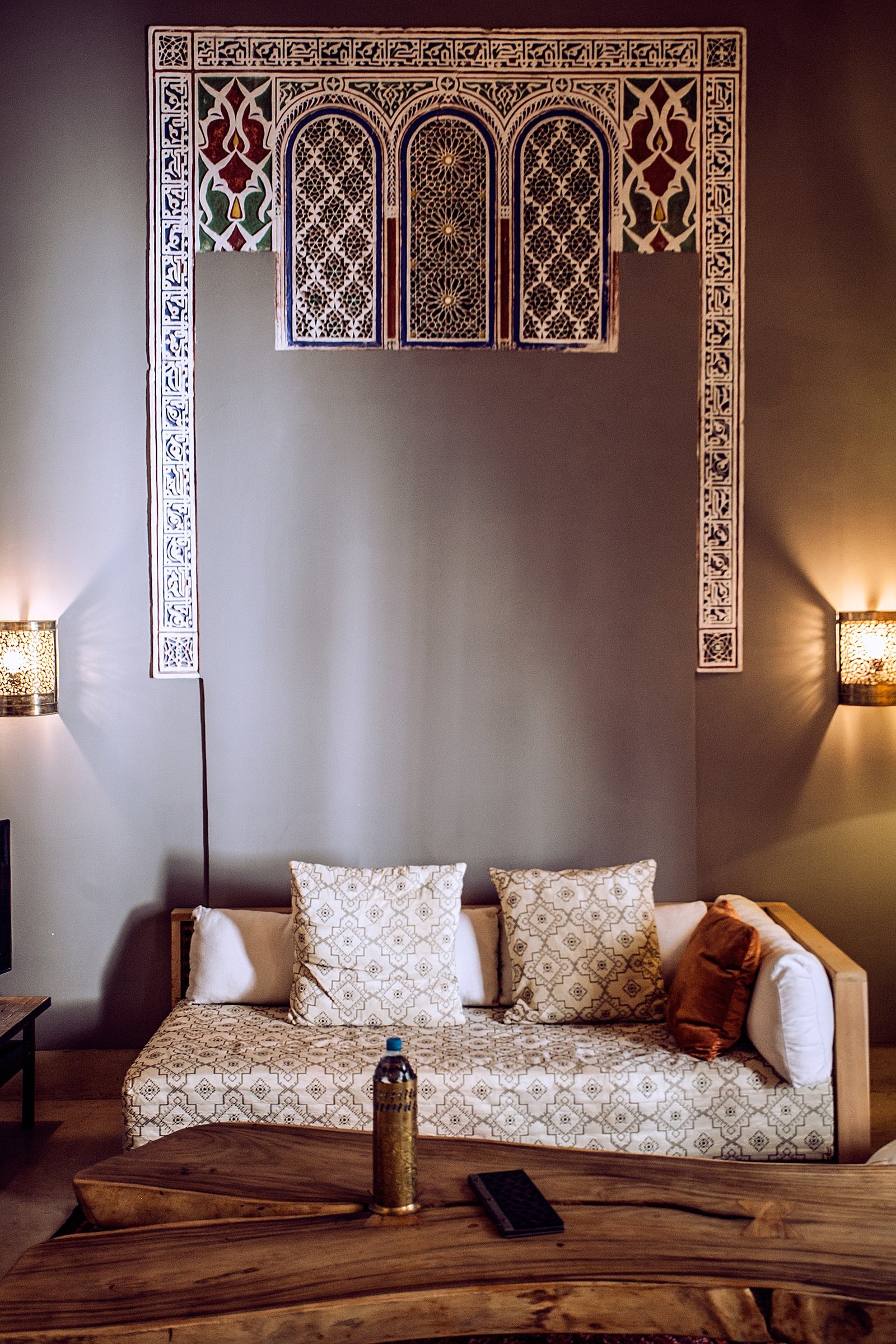
Introduction: Arabic art and culture are renowned worldwide for their vibrant colors, intricate designs, and rich historical background. From calligraphy to music, architecture to literature, the diversity and richness of Arabic art and culture have captivated audiences for centuries. In this blog post, we will delve into the fascinating world of Arabic art and culture, exploring its significance, artistic expressions, and contributions to the global arts scene. 1. Arabic Calligraphy: One cannot talk about Arabic art without mentioning calligraphy. Arabic calligraphy is not only a visual representation of the Arabic language but also an art form in itself. With its flowing lines and beautifully crafted letters, calligraphy adorns everything from religious texts to art pieces and architectural masterpieces. Explore the history and different styles of Arabic calligraphy and discover how it has influenced art forms around the world. 2. Islamic Architecture: Arabic-speaking countries are known for their stunning architectural wonders that blend seamlessly with their cultural and religious heritage. From majestic mosques to intricately designed palaces, Islamic architecture represents a unique fusion of Arab, Persian, and Byzantine influences. Learn about the iconic structures such as the Alhambra in Spain, the Dome of the Rock in Jerusalem, and the Great Mosque of Cordoba in Spain, and marvel at the intricate details and symbolism behind these architectural marvels. 3. Music and Dance: Arabic music and dance have a distinct rhythm and melody that transport listeners to another world. From the mesmerizing tones of the oud to the energetic beats of the darbuka, Arabic music has a rich history deeply rooted in cultural traditions. Discover the diverse genres of Arabic music, such as the classical maqam, the soulful tarab, and the modern pop sounds of artists like Fairouz and Amr Diab. Explore traditional dance forms like belly dancing and dabke, which represent the joyous celebrations and cultural expressions of the region. 4. Literature and Poetry: Arabic literature holds a treasure trove of ancient and contemporary works that highlight the power of words and storytelling. The Arabic literary tradition dates back to the pre-Islamic era, with famous poets like Al-Mutanabbi and Al-Ma'arri leaving an indelible mark on Arabic literature. Explore the poetry of iconic figures like Rumi and Hafez, as well as modern-day writers who continue to push the boundaries of literary expression. 5. Culinary Traditions: Arabic cuisine is an art form that tantalizes the taste buds with its exotic flavors and aromatic spices. From hearty stews like Moroccan tagine to mouthwatering desserts like baklava, Arabic culinary traditions vary across the region but are united by a passion for bold flavors and communal dining experiences. Discover the secrets behind popular dishes, explore traditional cooking techniques, and learn about the cultural significance of food in Arabic-speaking countries. Conclusion: The art and culture of the Arabic-speaking countries are a testament to the rich history, diversity, and creativity of this region. From calligraphy to architecture, music to literature, and culinary traditions to dance forms, Arabic art and culture encompass a myriad of expressions that continue to inspire and captivate people around the globe. By immersing ourselves in the beauty of Arabic art and culture, we gain a deeper appreciation for the vibrant tapestry of human civilization.
Leave a Comment:
SEARCH
Recent News
- Women in Politics: A Comparison between Uzbekistan and Saudi Arabia
- **Women in Politics in Egypt, Saudi Arabia, and Cairo**
- Women's Clothing in the Workplace: A Guide to Health Promotion Networks in Saudi Arabian Races
- The Intersection of Fashion, Politics, and Tradition: A Look at Saudi Arabian Women in Politics and Their Clothing Choices
- When it comes to attending Saudi Arabian races, women have the opportunity to showcase their style and sophistication through their clothing choices. With such events becoming more inclusive and diverse, women are choosing to wear a variety of stylish outfits that include watches as a fashion statement.
- Women's Clothing: A Blend of Uzbekistan and Saudi Arabian Styles
- The Intersection of Women's Clothing, Spanish Fashion News, and Saudi Arabian Races
- Unveiling the Women's Fashion Scene in Saudi Arabian Races: Beware of Scams
READ MORE
2 years ago Category : onlinebanat

Women in Politics: A Comparison between Uzbekistan and Saudi Arabia
Read More →2 years ago Category : onlinebanat

**Women in Politics in Egypt, Saudi Arabia, and Cairo**
Read More →2 years ago Category : onlinebanat

Women's Clothing in the Workplace: A Guide to Health Promotion Networks in Saudi Arabian Races
Read More →2 years ago Category : onlinebanat
