Exploring the Beauty of Arabic Color Combinations
Category : onlinebanat | Sub Category : onlinebanat Posted on 2023-10-30 21:24:53
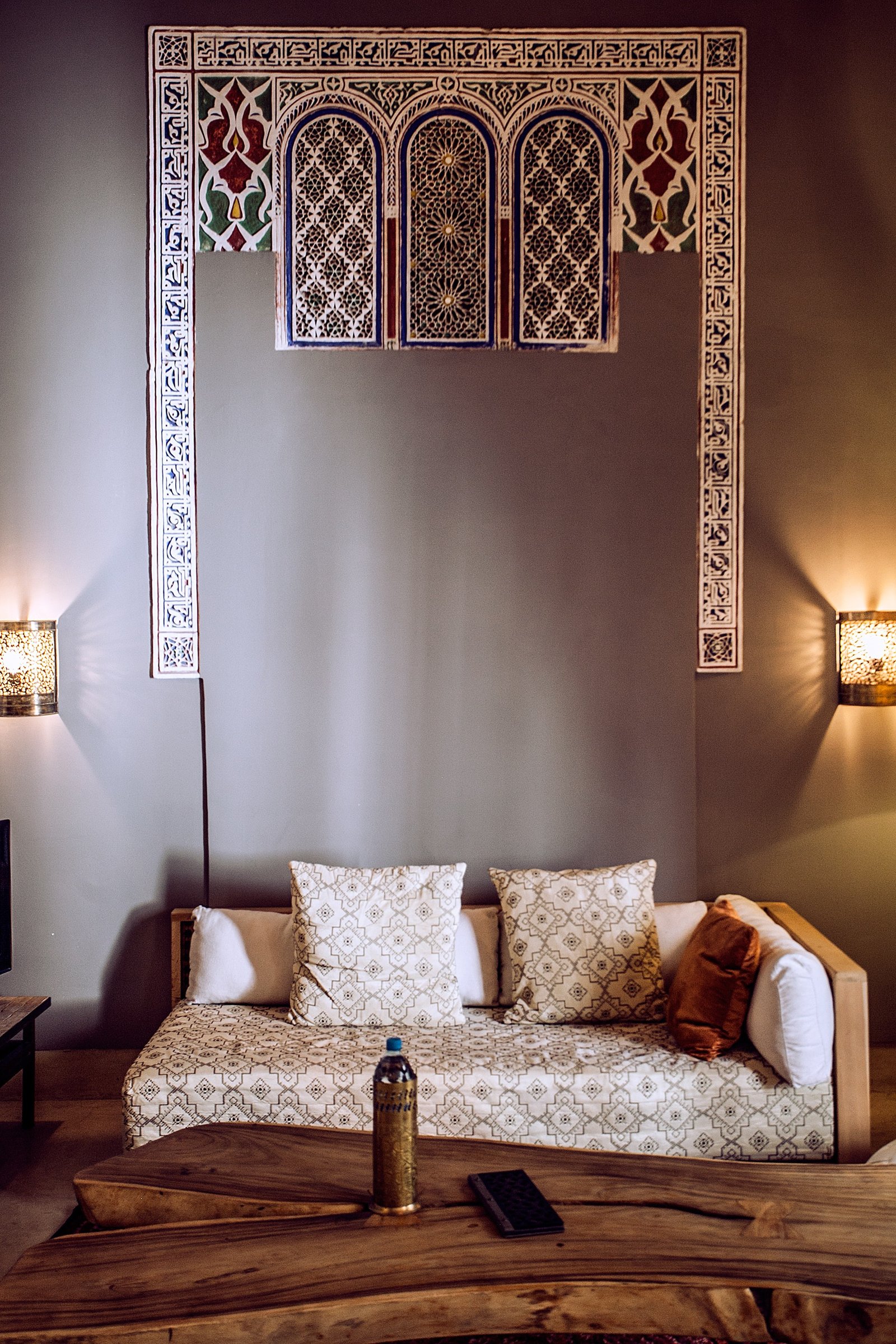
Introduction: Colors play a significant role in every culture, and Arabic color combinations have a rich history and deep symbolism. The vibrant hues and meticulous color choices have been an integral part of Arabic art, architecture, and fashion for centuries. In this blog post, we will delve into the world of Arabic color combinations, their meanings, and how they create a harmonious visual experience. 1. The Influence of Islamic Art: The basis of most Arabic color combinations lies in Islamic art, which places great importance on geometric patterns and intricate designs. Islamic art often features a limited palette, with colors that are carefully chosen to convey specific emotions and meanings. Some common colors used in Arabic art include vibrant blues, deep greens, rich earth tones, soothing pastels, and radiant gold. 2. Symbolism in Arabic Colors: Each color in Arabic culture holds a unique symbolism, combining visual aesthetics with cultural significance. Here are a few notable colors and their meanings: - Blue (Azraq): Symbolizes the divine and spiritual realms. It represents purity, tranquility, and the infinite nature of the sky and sea. - Green (Akhdar): Associated with fertility, renewal, and prosperity. Green is commonly used in Islamic architecture and signifies life and growth. - Red (Ahmar): Represents passion, love, and power. It is often used in Arabic textiles and rugs to create a bold and dramatic effect. - Gold (Thahab): Symbolizes wealth, luxury, and divine light. The use of gold in Arabic art and calligraphy adds a touch of opulence and elegance. 3. Traditional Arabic Color Combinations: Arabic culture has its own set of traditional color combinations that are frequently used in various art forms. These combinations are carefully selected to create a balanced and visually pleasing composition. Here are a few examples: - Blue and Gold: This combination is often seen in Arabic calligraphy, mosque decorations, and traditional clothing. The contrast between the vibrant blue and shimmering gold creates a striking visual impact. - Green and White: This combination is commonly used in Islamic architecture. The fresh, soothing green against a white background represents purity, harmony, and clarity. - Red and Black: This combination is frequently employed in Arabic rugs and textiles. The bold contrast between red and black evokes a sense of strength, power, and passion. 4. Contemporary Arabic Color Palettes: While traditional Arabic color combinations continue to inspire artists and designers, contemporary interpretations are also emerging. Modern designers are experimenting with new color palettes while still paying homage to Arabic heritage. Soft pastels combined with gold accents, earthy tones paired with vibrant oranges, and unexpected combinations like pink and teal are now being used to evoke a sense of innovation and creativity. Conclusion: Arabic color combinations are a testament to the rich history, cultural diversity, and artistic brilliance of the Arab world. The meticulous selection and symbolism of colors in Arabic art and design contribute to a visually stunning experience that captures the essence of the culture. Whether you're exploring traditional color palettes or embracing contemporary interpretations, Arabic color combinations are sure to add depth, beauty, and cultural significance to any artistic endeavor. For a fresh perspective, give the following a read http://www.colorsshow.com
Leave a Comment:
SEARCH
Recent News
- Women in Politics: A Comparison between Uzbekistan and Saudi Arabia
- **Women in Politics in Egypt, Saudi Arabia, and Cairo**
- Women's Clothing in the Workplace: A Guide to Health Promotion Networks in Saudi Arabian Races
- The Intersection of Fashion, Politics, and Tradition: A Look at Saudi Arabian Women in Politics and Their Clothing Choices
- When it comes to attending Saudi Arabian races, women have the opportunity to showcase their style and sophistication through their clothing choices. With such events becoming more inclusive and diverse, women are choosing to wear a variety of stylish outfits that include watches as a fashion statement.
- Women's Clothing: A Blend of Uzbekistan and Saudi Arabian Styles
- The Intersection of Women's Clothing, Spanish Fashion News, and Saudi Arabian Races
- Unveiling the Women's Fashion Scene in Saudi Arabian Races: Beware of Scams
READ MORE
2 years ago Category : onlinebanat

Women in Politics: A Comparison between Uzbekistan and Saudi Arabia
Read More →2 years ago Category : onlinebanat

**Women in Politics in Egypt, Saudi Arabia, and Cairo**
Read More →2 years ago Category : onlinebanat

Women's Clothing in the Workplace: A Guide to Health Promotion Networks in Saudi Arabian Races
Read More →2 years ago Category : onlinebanat
