Exploring the Intriguing World of Arabic Color Psychology
Category : onlinebanat | Sub Category : onlinebanat Posted on 2023-10-30 21:24:53
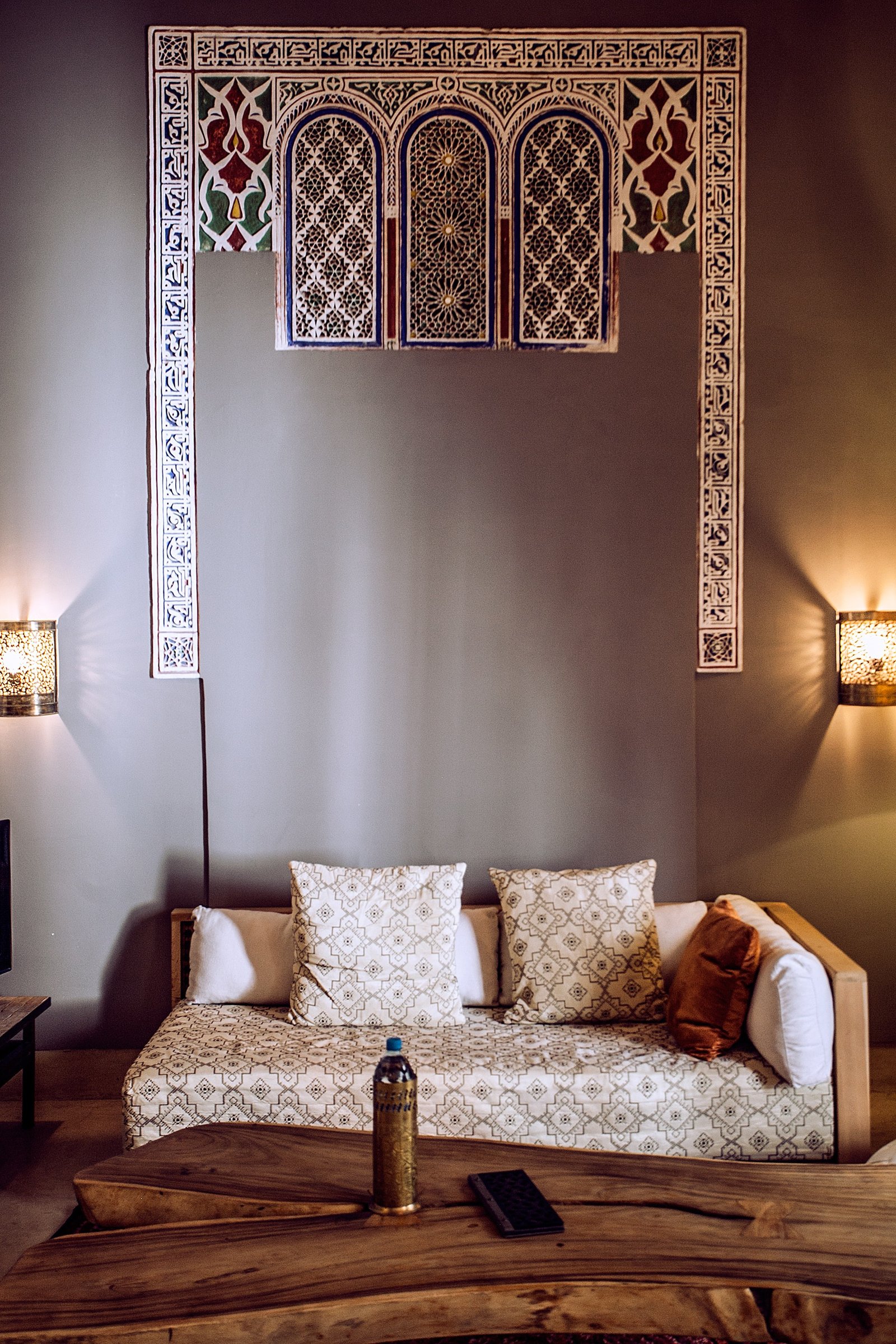
Introduction: Colors have the power to evoke emotions, communicate messages, and influence our behavior. In Arab culture, colors hold a special significance that goes beyond aesthetics. Arabic color psychology delves into the meanings and symbolism behind each color, offering a fascinating insight into the cultural and psychological aspects associated with them. In this article, we will explore the intriguing world of Arabic color psychology and discover how colors play a vital role in Arab society. 1. The Symbolism of Red: In Arabic color psychology, red represents strength, power, and courage. It is often associated with passion, love, and attention. Red is commonly used during celebrations and is deemed auspicious in many Arab countries. However, it can also symbolize danger, warning, or anger. 2. The Calmness of Blue: Blue is associated with tranquility, calmness, and wisdom in Arabic color psychology. It represents trust, stability, and loyalty. In Arab culture, blue is often used to symbolize the divine and spiritual realms. It is a color that promotes a sense of inner peace and serenity. 3. The Vibrancy of Yellow: Yellow symbolizes joy, happiness, and positivity in Arabic color psychology. It is often associated with warmth and friendship. In Arab countries, yellow is used in festive occasions and to express celebration and delight. However, it can also represent envy or jealousy in certain contexts. 4. The Significance of Green: Green holds a special place in Arabic color psychology. It represents fertility, renewal, and growth. This color is associated with nature, as well as with prosperity and good fortune. In Arab culture, green is often seen as a color of blessings and is used extensively in religious and cultural contexts. 5. The Mystery of Black: Black symbolizes power, authority, and elegance in Arabic color psychology. It is associated with formality, sophistication, and mystery. In Arab fashion, black is often worn during formal occasions or important gatherings. It can also symbolize mourning or sadness in certain contexts. 6. The Purity of White: White represents purity, innocence, and neutrality in Arabic color psychology. It symbolizes peace, cleanliness, and spiritual enlightenment. In Arab culture, white is often associated with weddings, as it represents the beginning of a new and pure chapter in life. Conclusion: Arabic color psychology offers a unique perspective on how colors influence emotions, behaviors, and cultural traditions. Each color holds its own significance and symbolism, contributing to the rich tapestry of Arab culture. Whether it is the power and passion of red, the tranquility of blue, or the vibrancy of yellow, colors play a significant role in shaping Arab society. By understanding the hidden meanings of these colors, we can gain a deeper appreciation for Arab culture and its unique interpretation of color psychology. Next time you encounter colors in an Arab context, take a moment to appreciate the symbolic significance they hold and the cultural depth they represent. Get a well-rounded perspective with http://www.colorsshow.com
Leave a Comment:
SEARCH
Recent News
- Women in Politics: A Comparison between Uzbekistan and Saudi Arabia
- **Women in Politics in Egypt, Saudi Arabia, and Cairo**
- Women's Clothing in the Workplace: A Guide to Health Promotion Networks in Saudi Arabian Races
- The Intersection of Fashion, Politics, and Tradition: A Look at Saudi Arabian Women in Politics and Their Clothing Choices
- When it comes to attending Saudi Arabian races, women have the opportunity to showcase their style and sophistication through their clothing choices. With such events becoming more inclusive and diverse, women are choosing to wear a variety of stylish outfits that include watches as a fashion statement.
- Women's Clothing: A Blend of Uzbekistan and Saudi Arabian Styles
- The Intersection of Women's Clothing, Spanish Fashion News, and Saudi Arabian Races
- Unveiling the Women's Fashion Scene in Saudi Arabian Races: Beware of Scams
READ MORE
2 years ago Category : onlinebanat

Women in Politics: A Comparison between Uzbekistan and Saudi Arabia
Read More →2 years ago Category : onlinebanat

**Women in Politics in Egypt, Saudi Arabia, and Cairo**
Read More →2 years ago Category : onlinebanat

Women's Clothing in the Workplace: A Guide to Health Promotion Networks in Saudi Arabian Races
Read More →2 years ago Category : onlinebanat
